A nation that runs on imported fuel
Australia relies overwhelmingly on imported refined fuels. Only a small number of domestic refineries remain, and the bulk of the petrol, diesel and jet fuel the country consumes travels long maritime supply chains before it reaches an Australian terminal.
Diesel in particular underpins the economy. It moves freight, powers agriculture and mining, and keeps the lights on in communities well away from the capital cities. When supply is disrupted, the effects reach every part of the country, and they reach regional Australia first and hardest.
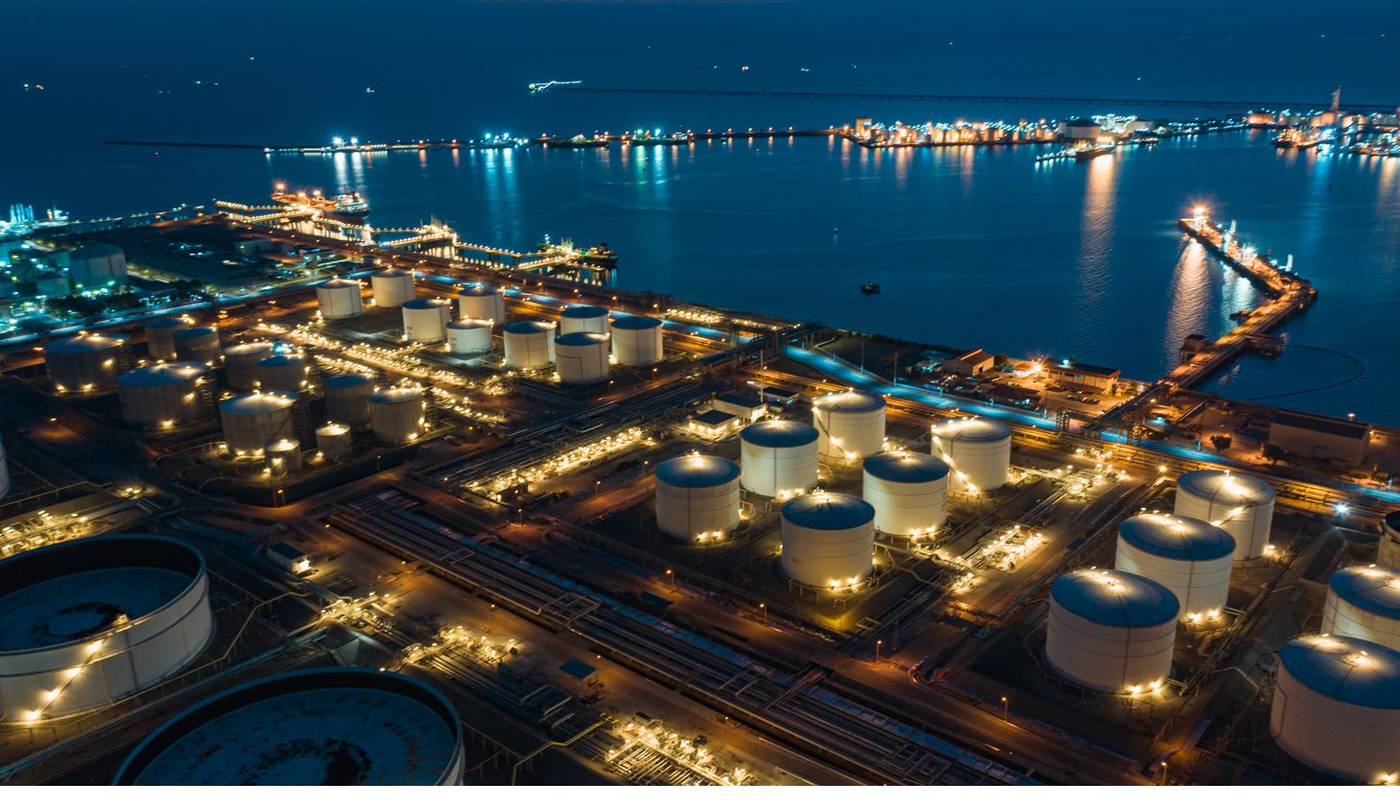
Onshore stockholding is thin relative to what the country consumes. Building genuine sovereign storage capacity, fuel held on Australian soil, under Australian control, is the most direct way to change that.
Deliverability is what makes storage work
Holding fuel is only half the task. What decides whether a reserve is effective is whether the fuel can be delivered, at the required specification and within the time a disruption allows, to wherever the shortage falls.
The questions that matter for any site are how many parts of the country it can supply, by what means, and within what timeframe. A location with strong maritime access and more than one route out can contribute more to national resilience than its own region would suggest.
Most contingency planning is built around a short local window. The harder case is a sustained disruption, where the binding constraint is not the first few days but the weeks it takes to replenish supply.
Capacity that can keep supplying across that period, to multiple regions rather than one, is what turns stored fuel into national resilience.
Working with government
The Commonwealth has made fuel security a national priority, including through the Australian Fuel Security Reserve and related consultation processes.